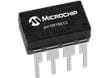

PIC16F1618-E/P

Microchip Technology
579-PIC16F1618-E/P
PIC16F1618-E/P

Ürt.:

Açıklama:
8-bit Mikrodenetleyiciler - MCU 8 Bit MCU, 7KB Flash 512 RAM, 10bit ADC

ECAD Modeli:
Bu dosyayı ECAD Aracınız için dönüştürmek için ücretsiz Library Loader dosyasını indirin. ECAD Model hakkında daha fazla bilgi edinin.

Stok Durumu

Stok:
Stokta Yok
Fabrika Teslim Süresi:
6 Hafta Fabrikada tahmini üretim süresi.
Minimum: 418   Çoklu: 418
Birim Fiyat:
-,-- €
Toplam Fiyat:
-,-- €
Tahmini Gümrük Vergisi:
Bu Ürün ÜCRETSİZ Gönderilir

Fiyatlandırma (EUR)

Miktar Birim Fiyat
Toplam Fiyat
1,41 € 589,38 €

Ürün Niteliği Öznitelik Değeri Özellik Seçin
Microchip
Ürün Kategorisi: 8-bit Mikrodenetleyiciler - MCU
RoHS:  
PIC16
7 kB
512 B
PDIP-20
32 MHz
10 bit
18 I/O
2.5 V
5.5 V
Through Hole
8 bit
- 40 C
+ 125 C
PIC16(L)F161x
Tube
Marka: Microchip Technology
DAC Çözünürlüğü: 8 bit
Veri RAM Tipi: SRAM
ADC Kanal Sayısı: 12 Channel
İşlemci Serisi: PIC16
Ürün: MCUs
Ürün Tipi: 8-bit Microcontrollers - MCU
Program Bellek Türü: Flash
Fabrika Paket Miktarı: 22
Alt kategori:: Microcontrollers - MCU
Ticari Unvan: PIC
Güvenlik Zamanlayıcısı: Watchdog Timer, Extended
Birim Ağırlık: 2,260 g
Bulunan ürünler:
Benzer ürünleri göstermek için en az bir onay kutusu seçin
Bu kategorideki benzer ürünleri göstermek için yukarıda en az bir onay kutusu seçin.
Seçilen özellikler: 0

Bu işlev için JavaScript'in etkinleştirilmesi gerekir.

CNHTS:
8542319090
CAHTS:
8542310000
USHTS:
8542310015
JPHTS:
854231032
KRHTS:
8542311000
TARIC:
8542319000
MXHTS:
8542310302
ECCN:
3A991.a.2

Motor Control for Stepper Motors

Microchip Technology Motor Control for Stepper Motors is a full line of MCUs, Digital Signal Processors, and Controllers for Stepper Motor control. Microchip digital signal controllers and microcontrollers feature an enhanced core with unique features for embedded control of small motors and general purpose applications. These devices include essential peripherals like Intelligent Analog, Core Independent Peripherals (CIPs), and communication combined with eXtreme Low-Power (XLP) for a wide range of low-power applications. The devices were developed for highly efficient systems designs focusing on lower power consumption and costs.

PIC16LF1614 & PIC16LF1618 8-Bit Microcontrollers

Microchip Technology PIC16LF1614 and PIC16LF1618 8-Bit Microcontrollers offer a 14/20-pin count package with unique core features for embedded control of small motors and general-purpose applications. Features include 10-bit A/D, 5 timers, brown-out reset with a selectable trip point, interrupt capability, and optimized RISC architecture. The PIC16LF1614 and PIC16LF1618 MCUs include a windowed watchdog timer (WWDT) and CRC+ memory scan that supports white goods and safety-critical systems in home appliances. The PIC16LF1614 and PIC16LF1618 MCUs deliver an ideal solution for a variety of applications.

Automotive 8-Bit Microcontrollers

Microchip Technology Automotive 8-Bit Microcontrollers include MCUs with the PIC® and AVR® architecture. Capturing the best features of both architectures enables Microchip to offer plentiful solutions for every type of automotive system. From Human Machine Interface (HMI) applications based on touch technology to underhood applications requiring high-temperature robustness to simple watchdog-type applications requiring a small form factor, users can find extensive options that meet specific requirements.

Motor Control for Brushed DC Motors

Microchip Technology Motor Control for Brushed DC Motors is a full line of MCUs, gate drivers, and ignition controllers for brushed DC Motor control. These full-featured devices feature analog, core independent, and communication peripherals combined with eXtreme Low-Power (XLP) technology. The MCUs can be used for various general-purpose and low-power applications. The devices feature multiple PWMs, communication, temperature sensor, and memory features like Memory Access Partition (MAP).

Functional Safety Solutions

Microchip Technology Functional Safety Solutions offer robustness, reliability, and safety to end-products. In some application segments, these requirements are formalized and mandatory, while in others, they are implemented to differentiate the product and take the step from a good product to an excellent product. The standards for functional safety depend on the market that is targeted. Many standards support multiple levels of rigorousness, which are applied depending on the likelihood and severity of the hazard. The methods of addressing hazards range from detecting single failures and putting the system into a safe state to full redundancy, where failures should not only be detected but also corrected without any interruption or degradation of service.