



 Türkiye

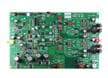
RB-S22Q53xTB48

Resimler sadece referans içindir
Ürün Teknik Özelliklerine Bakın
Ürün Teknik Özelliklerine Bakın
755-RB-S22Q53XTB48
RB-S22Q53xTB48
Ürt.:
Açıklama:
Ses IC Geliştirme Araçları Reference board for ML22Q532 and ML22Q533, on which ML22Q535-NNNTBZ0BX is mounted at point of purchase.
Ses IC Geliştirme Araçları Reference board for ML22Q532 and ML22Q533, on which ML22Q535-NNNTBZ0BX is mounted at point of purchase.
Veri Sayfası:
Veri Sayfası
Uyumluluk Kodları
- USHTS:
- 8538908180
- ECCN:
- EAR99
Menşe Sınıflandırmaları
- Menşe Ülke:
- Japonya
- Montaj Ülkesi:
- Stokta yok
- Dağıtım Ülkesi:
- Stokta yok




Stokta Var: 3
-
Stok:
-
3 Hemen GönderilebilirBeklenmeyen bir hata oluştu. Lütfen daha sonra tekrar deneyin.
-
Fabrika Teslim Süresi:
-
12 Hafta Gösterilenden daha büyük miktarlar için fabrikada tahmini üretim süresi.
Fiyatlandırma (EUR)
| Miktar | Birim Fiyat |
Toplam Fiyat
|
|---|---|---|
| 122,81 € | 122,81 € |
ROHM Semiconductors AEC-Q101 qualified products are not
intended for volume automotive production without ROHM
Semiconductors prior approval.

Please contact ROHM Semiconductor for Production Part Approval
Process (PPAP) requirements or contact a Mouser Technical Sales
Representative for further assistance.

5-0617-50