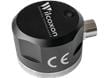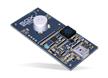

PS1-NO2-2-MOD

Amphenol SGX Sensortech
523-PS1NO22MOD
PS1-NO2-2-MOD

Ürt.:

Açıklama:
Çok Fonksiyonlu Sensör Modülleri PS1 Series Solid Polymer Gas Sensor Module Nitrogen Dioxide 2ppm - UART

ECAD Modeli:
Bu dosyayı ECAD Aracınız için dönüştürmek için ücretsiz Library Loader dosyasını indirin. ECAD Model hakkında daha fazla bilgi edinin.

Stok Durumu

Stok:
Stokta Yok
Fabrika Teslim Süresi:
7 Hafta Fabrikada tahmini üretim süresi.
Minimum: 1   Çoklu: 1
Birim Fiyat:
-,-- €
Toplam Fiyat:
-,-- €
Tahmini Gümrük Vergisi:

Fiyatlandırma (EUR)

Miktar Birim Fiyat
Toplam Fiyat
214,37 € 214,37 €
202,95 € 2.029,50 €
200,13 € 5.003,25 €
198,50 € 9.925,00 €
100 Fiyat Teklifi

Ürün Niteliği Öznitelik Değeri Özellik Seçin
Amphenol
Ürün Kategorisi: Çok Fonksiyonlu Sensör Modülleri
RoHS:  
Marka: Amphenol SGX Sensortech
Ürün Tipi: Multiple Function Sensor Modules
Fabrika Paket Miktarı: 1
Alt kategori:: Sensor Modules
Bulunan ürünler:
Benzer ürünleri göstermek için en az bir onay kutusu seçin
Bu kategorideki benzer ürünleri göstermek için yukarıda en az bir onay kutusu seçin.
Seçilen özellikler: 0

Uyumluluk Kodları
CAHTS:
9027100010
USHTS:
9027102000
JPHTS:
902710000
KRHTS:
9027100000
MXHTS:
9027100100
BRHTS:
90271000
ECCN:
EAR99
Menşe Sınıflandırmaları
Menşe Ülke:
Almanya
Montaj Ülkesi:
Stokta yok
Dağıtım Ülkesi:
Stokta yok
Ülke, sevkiyat anında değişikliğe tabidir.

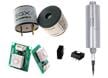
Solid Polymer Electrochemical Gas Sensors

Amphenol SGX Sensortech Solid Polymer Electrochemical Gas Sensors are designed to detect a wide range of gases, including carbon monoxide, chlorine, and volatile organic compounds (VOCs), as well as humidity and particulates. These sensors are based on the principle of electrochemical catalytic reaction. The sensor responds to the target gas and delivers a very small current proportional to the gas concentration. The series utilizes a dry core design featuring three electrodes in contact with the solid electrochemical material. A typical electrode consists of a surface area of precious metal and other materials. The electrode, electrochemical cell, and surrounding air are in contact, allowing the gas to diffuse through the porous membrane into the sensor's working electrode. At this working electrode, the gas is oxidized or reduced.